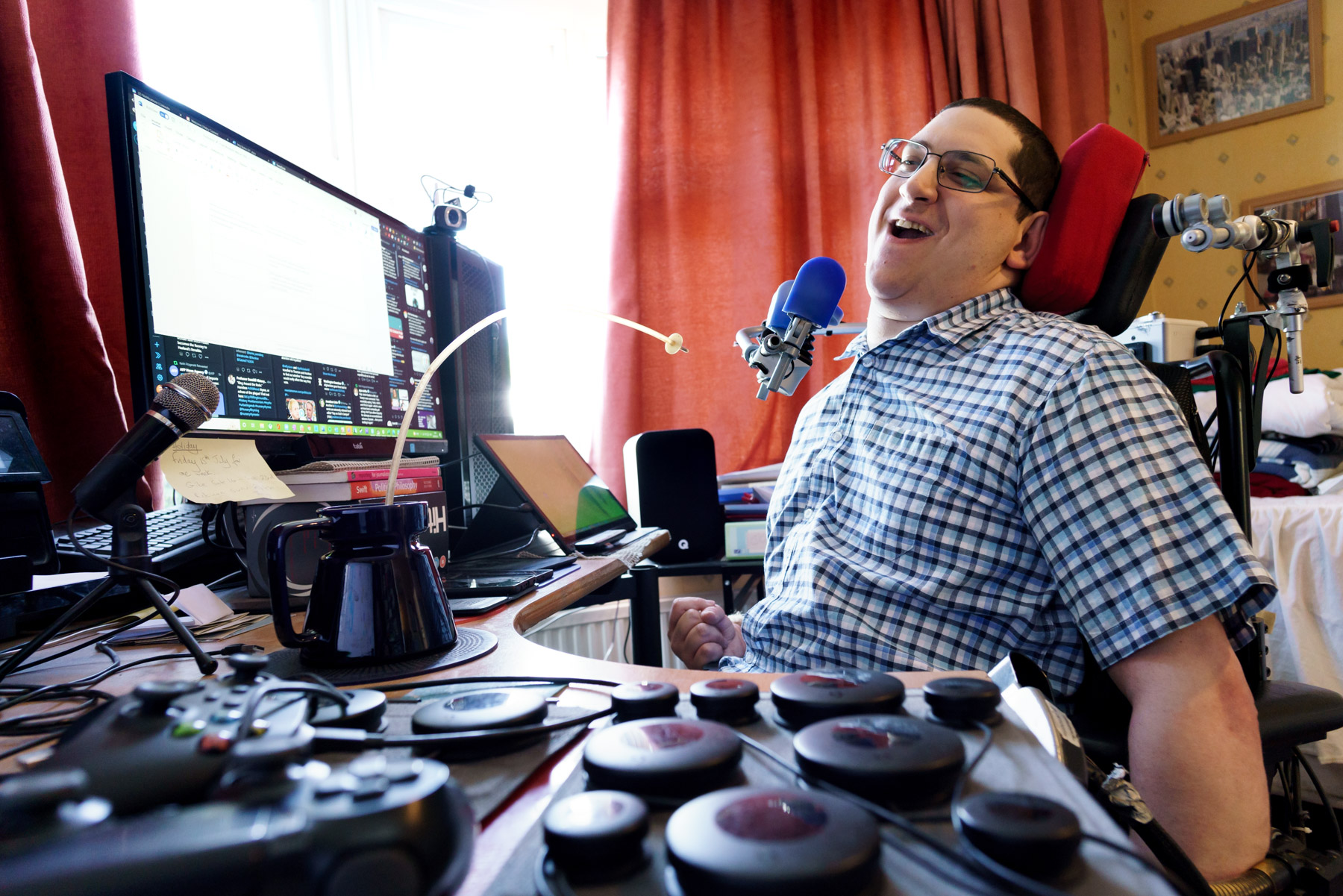
Cerebral palsy (CP) is a lifelong neurological condition. Although the original brain injury does not progress, the effects of living with CP can change significantly throughout adulthood.
Adults with CP may experience changes in mobility, strength, balance, pain, fatigue, physical function and overall health. These changes are not inevitable consequences of CP, nor should they automatically be attributed to ageing or the condition itself. Many can be investigated, treated or managed with appropriate support.
Too often, adults with CP experience gaps in health and social care provision following the transition from paediatric services. Access to specialist knowledge, coordinated care and regular review can be limited.
Health and social care professionals have an important role in ensuring that the 130,000 adults with CP in the UK are recognised, listened to and supported to live fulfilling lives.
Our approach should be person-centred, proactive and focused on what matters most to the individual.
This section will cover:
- Start with the person, not the diagnosis
- Recognise and investigate changes in function
- Avoid diagnostic overshadowing
- Make regular health reviews part of routine care
- Support physical activity, strength and mobility
- Understand the impact of pain, fatigue and muscle tone
- Consider communication, cognition and mental health
- Work collaboratively across health and social care
- Recognise the importance of social care and independence
- Ensure transition into adult services is planned and coordinated
- Promote a proactive, preventative approach to care
- Listen to lived experience
- A practical checklist for professionals
- Our message to health and social care professionals
- Resources for specific health and social care professionals
Start with the person, not the diagnosis
Every adult with cerebral palsy is different. CP can affect movement, posture, communication and daily activities in very different ways.
Do not make assumptions about someone’s abilities, intelligence, aspirations or support needs based on how they walk, speak or move.
Ask the person what matters to them.
- What would you like to be able to do?
- What is important to you in your everyday life?
- Are there things that have become more difficult recently?
- What support would make the biggest difference?
- What are your priorities for the future?
A person’s goals may be to maintain their walking, continue working, care for their children, manage their fatigue, participate in sport, maintain friendships or remain independent.
These goals should guide assessment, intervention and care planning.
Remember: the aim is not simply to improve physical function. It is to support meaningful activity, independence, participation and quality of life.
Recognise and investigate changes in function
Adults with CP may experience changes in their functional abilities over time. These can include:
- Increasing difficulty walking or transferring.
- Reduced balance and an increased frequency of falls.
- Muscle weakness and reduced physical endurance.
- Increasing fatigue or reduced energy levels.
- Changes in muscle tone, spasms or dystonia.
- New or worsening pain.
- Changes in posture, joint mobility or musculoskeletal function.
- Difficulty maintaining previous levels of independence.
It is important to recognise that a change in function is not necessarily a sign that the cerebral palsy itself is progressing. Do not assume that deterioration is inevitable or simply part of ageing.
Consider whether there may be treatable contributing factors, including:
- Musculoskeletal problems, including osteoarthritis.
- Changes in muscle strength and physical conditioning.
- Pain or altered muscle tone.
- Medication effects.
- Sleep disturbance or fatigue.
- Changes in weight or nutritional status.
- Cardiovascular or respiratory health.
- Mental health, emotional wellbeing or environmental factors.
A change in function warrants appropriate assessment. Where usual daily activities deteriorate, consider referral to a multidisciplinary team experienced in neurological impairments.
You may find our Annual Self Check Form as a useful reference

Avoid diagnostic overshadowing
Adults with CP can experience the same health conditions as the general population, alongside a higher risk of certain additional health problems.
It is essential that new symptoms are not automatically attributed to cerebral palsy.
Be alert to:
- New or unexplained pain.
- Increasing falls or sudden changes in mobility.
- Changes in cognition, communication or behaviour.
- Alterations in swallowing or eating.
- Recurrent chest infections or respiratory difficulties.
- Changes in bladder or bowel function.
- New fatigue, weakness or reduced activity.
- Changes in mood, anxiety or emotional wellbeing.
Consider the possibility of other medical conditions and investigate appropriately.
A person with CP can develop an unrelated musculoskeletal, neurological, cardiovascular or other medical condition. They deserve the same thorough assessment as anyone else.
Make regular health reviews part of routine care
Adults with CP should have access to appropriate, individualised health reviews.
Reviews should consider both physical and mental health, as well as functional ability and participation.
Areas to consider include:
- General health and cardiovascular risk.
- Pain and musculoskeletal health.
- Mobility, falls and physical function.
- Muscle tone, spasticity and dystonia.
- Fatigue, sleep and activity levels.
- Bone health and fracture risk.
- Respiratory health.
- Nutrition, weight, swallowing and bowel function.
- Mental health and emotional wellbeing.
- Medication review and potential side effects.
- Communication needs.
- Equipment, orthotics and assistive technology.
- Social circumstances, care needs and independence.
NICE recommends an annual review by a healthcare professional with neurodisability expertise for adults with complex needs who meet the specified criteria. Reviews should otherwise be tailored to the person’s needs and preferences, with frequency agreed with them.
Support physical activity, strength and mobility
Maintaining physical activity is particularly important for adults with CP.
Reduced activity can contribute to deconditioning, muscle weakness, reduced endurance and loss of functional ability. However, exercise programmes need to recognise the individual’s physical abilities, fatigue levels, pain and personal goals.
Health and social care professionals should:
- Encourage regular, enjoyable and meaningful physical activity.
- Support people to maintain their existing abilities.
- Consider individualised strength, balance and cardiovascular training.
- Incorporate activity into everyday life.
- Recognise that maintaining function can be a valuable outcome.
- Adapt exercise to account for fatigue, pain and fluctuating symptoms.
- Encourage pacing and gradual progression.
- Consider physiotherapy, occupational therapy and other specialist rehabilitation input where appropriate.
For some adults, increasing activity may mean structured exercise. For others, it may mean maintaining transfers, participating in household activities, accessing the community or reducing sedentary behaviour.
Start with what the person can do. Build from there.
Do not assume that someone who has always walked will continue to walk without support. Equally, do not assume that the introduction of a wheelchair represents a loss of independence. Appropriate mobility equipment may improve safety, energy conservation and participation.

Understand the impact of pain, fatigue and muscle tone
Pain, fatigue, spasticity and dystonia can have a significant impact on daily life.
These symptoms may affect sleep, mobility, personal care, work, relationships and participation in the community.
Professionals should:
- Ask about pain regularly and use appropriate pain assessment tools.
- Consider how pain affects function, rather than focusing solely on its intensity.
- Explore factors that may exacerbate spasticity or dystonia, including pain, constipation, bladder problems, posture, emotional distress and medication changes.
- Consider the functional role of increased muscle tone.
- Discuss the potential benefits and risks of interventions with the individual.
- Avoid assuming that reducing muscle tone will necessarily improve function.
- Recognise the importance of pacing, rest and energy conservation.
For example, an adult may use increased muscle tone to assist with standing, walking or transfers. Interventions that reduce tone may improve comfort or ease of care, but could also affect their functional abilities.
Treatment should be guided by the person’s goals and a clear understanding of the potential impact on their daily life.
Consider communication, cognition and mental health
Adults with CP may have communication, cognitive or executive functioning differences. These can affect how they process information, organise tasks, express themselves or participate in decision-making.
Professionals should:
- Allow sufficient time for communication.
- Speak directly to the individual, not only to their family or carer.
- Avoid equating speech difficulties with cognitive impairment.
- Offer accessible information and alternative communication methods where appropriate.
- Check understanding without being patronising.
- Recognise that communication needs may change over time.
- Consider the impact of anxiety, depression, isolation and emotional distress.
- Explore whether changes in behaviour may reflect pain, unmet needs or communication difficulties.
Mental health is as important as physical health.
Adults with CP may experience additional psychological and emotional challenges associated with living with a lifelong condition, navigating inaccessible environments or losing previously achievable functional abilities.
Mental health concerns should be identified and addressed alongside physical health concerns.
Work collaboratively across health and social care
Adults with CP may require input from a range of professionals at different stages of their lives.
A coordinated multidisciplinary approach can help ensure that changing needs are identified and addressed.
Depending on the individual’s circumstances, this may include:
- General practitioners.
- Rehabilitation medicine and neurology specialists.
- Physiotherapists.
- Occupational therapists.
- Speech and language therapists.
- Psychologists and mental health professionals.
- Dietitians.
- Orthotists.
- Wheelchair and seating services.
- Social workers and care coordinators.
- Specialist spasticity services.
- Orthopaedic, respiratory and other relevant medical specialists.
The team should work towards shared goals, with clear communication and agreed responsibilities.
Avoid fragmented care in which the individual is left to coordinate services or repeatedly explain their condition.
Good multidisciplinary working means the person is at the centre of the team, not at the centre of the administrative burden.
Recognise the importance of social care and independence
Health and social care needs are closely connected.
Changes in physical function can affect a person’s ability to manage everyday activities, maintain employment, care for family members or participate in their community.
Professionals should consider:
- Personal care and daily living support.
- Access to appropriate equipment and home adaptations.
- Safe transfers and moving and handling.
- Housing and independent living.
- Access to education, employment and vocational rehabilitation.
- Transport and community participation.
- Financial and welfare benefits advice.
- Support for family members and unpaid carers.
- Opportunities to maintain relationships, hobbies and social connections.
Care should promote independence, choice and dignity.
Independence does not necessarily mean doing everything without assistance. It means having the right support to exercise choice and control over one’s life.
A change in care arrangements, the health of a family carer or a change in living circumstances may significantly affect an adult with CP. These changes should be anticipated and addressed proactively.
Ensure transition into adult services is planned and coordinated
Transition from paediatric to adult services is a particularly important stage.
The move into adulthood should not result in a sudden loss of specialist knowledge, support or access to services.
Professionals should:
- Begin transition planning well in advance.
- Involve the young person in decisions about their future care.
- Provide accessible information about adult services.
- Identify ongoing health, rehabilitation and social care needs.
- Ensure that relevant clinical information is transferred.
- Establish clear referral pathways and points of contact.
- Consider education, employment, relationships, independent living and wider adult life.
Transition should be viewed as a process, not a single appointment or birthday. You can learn more from our Transition section.
Adults with CP should be supported to develop the knowledge, confidence and skills to navigate adult health and social care systems.
Promote a proactive, preventative approach to care
Rather than waiting for a crisis or significant deterioration, professionals should aim to identify changing needs early.
This includes:
- Recognising early signs of functional decline.
- Supporting health promotion and preventative care.
- Encouraging appropriate screening and vaccination.
- Reviewing equipment and support before they become inadequate.
- Identifying risks associated with falls, fractures and reduced mobility.
- Supporting access to specialist services when required.
- Ensuring that care plans reflect changing needs.
Early intervention may help people maintain their abilities, independence and quality of life for longer.
Adults with CP are experts in their own lives.
Their experiences should inform clinical practice, service development, research and commissioning.
Professionals should:
- Involve adults with CP in decisions about their care.
- Recognise their expertise and individual priorities.
- Listen to their experiences of navigating health and social care services.
- Involve people with CP in developing services and resources.
- Support advocacy and self-management where appropriate.
- Recognise the importance of peer support and community connection.
Co-production should be meaningful. Adults with CP should not simply be consulted after decisions have already been made.
Their voices should help shape the services they use.
A practical checklist for professionals
Use this as a prompt during clinical reviews, care planning or multidisciplinary discussions.
Clinical practice checklist:
- Have I asked the person what matters most to them?
- Have I explored any changes in function, mobility, pain or fatigue?
- Have I considered whether new symptoms require further investigation?
- Have I avoided diagnostic overshadowing?
- Have I considered physical health, mental health and wellbeing together?
- Have I reviewed the person’s activity, independence and participation?
- Have I considered communication and accessibility needs?
- Have I explored equipment, rehabilitation and social care needs?
- Have I involved the relevant multidisciplinary professionals?
- Have I agreed meaningful goals with the person?
- Have I documented and communicated the care plan appropriately?
- Does the person know who to contact if their needs change?
Our message to health and social care professionals
Adults with cerebral palsy should not become invisible within health and social care systems simply because they have moved beyond childhood services.
CP is lifelong. Needs change. Support should change with them.
With greater awareness, appropriate expertise, coordinated care and a commitment to listening, professionals can make a significant difference to the lives of adults with CP.
Our focus should be on enabling people to:
- Live well.
- Maintain their health and function.
- Remain active and connected.
- Access appropriate support.
- Make informed choices.
- Achieve their personal goals.
- Live the fullest and most satisfying lives possible.
The question is not simply, “What is the matter with this person?”
It is: “What matters to this person, and how can we support them to achieve it?”
Resources for specific health and social care professionals
Resources:
- NICE NG119: Cerebral palsy in adults— the national clinical guideline.
Podiatry:
Speech and Language Therapy:
- Position statement: augmentative assisted communication.
- Eating and Drinking Ability Classification System for people with Cerebral Palsy (EDACS)
Occupational Therapy:
Physiotherapy:
- Community Rehabilitation Alliance work in England
- Improving physiotherapy services for adults with cerebral palsy -animation
- UP Lighthouse Session: Men’s Health- to be uploaded after 19th November
- Women’s health – Moneli Golara
-
- Cortical Visual Impairment -Georgia Hamer
-
- Better Ways to Cope with Fatigue -Headway
-
- Pain Management – Charlie Fairhurst & Susie Turner
-
- Sleep Hygiene – Better Sleep, with The Sleep Charity
-
- Wheels and Beyond -Lee Warner, Better Mobility
- Mouth Care Matters
For more in depth information see our Knowledge Hub section with more subject specific information and resources.
Scarlett Murray is a 22 year-old mother of one, and a talented writer who blogs about her experiences of living with Cerebral Palsy. Her form of CP is left-sided hemiphlegia. She tells us her story.
Read more
Clive Gilbert is a leading policy expert on assistive technology for disabled people, drawing in part, on his own experiences living with Cerebral Palsy. He tells us his story.
Read more