

Good digestive health is fundamental to overall wellbeing, but people with cerebral palsy may face unique challenges with their gut function. Understanding how your digestive system works and recognising potential issues can help you manage symptoms and maintain better health. Although this might be an uncomfortable topic to discuss, it’s important to address digestive health as we know that one of the biggest contributing factors to chronic pain is digestive issues, particularly constipation.
This page covers:
The gut and its functions
Many people find digestive issues difficult to discuss, but these problems are common and treatable. Adults with cerebral palsy may experience various digestive symptoms including:
Constipation – difficulty passing stools or infrequent bowel movements Incontinence – difficulty controlling bowel movements
Acid reflux and GERD – stomach acid flowing back into the oesophagus
Irritable bowel syndrome – can be linked to anxiety, low mood or traumatic experiences through the gut-brain connection
Dysphagia – difficulty swallowing
Globus sensation – the feeling of a lump, tightness or something stuck in the throat, even though nothing is physically there
Malnutrition – poor absorption of nutrients

Common digestive complications
Many people find digestive issues difficult to discuss, but these problems are common and treatable. Adults with cerebral palsy may experience various digestive symptoms including:
Constipation – difficulty passing stools or infrequent bowel movements Incontinence – difficulty controlling bowel movements
Acid reflux and GERD – stomach acid flowing back into the oesophagus
Irritable bowel syndrome – can be linked to anxiety, low mood or traumatic experiences through the gut-brain connection
Dysphagia – difficulty swallowing
Malnutrition – poor absorption of nutrients

What can influence bowel function in cerebral palsy
Neurogenic bowel dysfunction The area of the brain affected by cerebral palsy can cause:
- Lack of awareness when you need to open your bowels
- Difficulty coordinating muscle movements needed for bowel emptying
- Spasticity that reduces sensation and mobility
Gastrocolic reflex This is your body’s natural response to eating and drinking. When food enters your stomach, it triggers muscle activity throughout your gut, which can move stool into your rectum. You can use this reflex to help with bowel management by having food or drink 15-30 minutes before attempting to use the toilet. This reflex is usually strongest after your first meal of the day.
Medication interactions Some medications can affect your digestive system, either slowing or speeding up bowel movements.
Managing globus sensation
Globus sensation is the feeling of a lump, tightness or something stuck in your throat, even though nothing is physically there. This common condition is usually harmless and doesn’t affect your ability to swallow food and drink.
What causes globus sensation:
- Throat muscle tension
- Acid reflux
- Stress or anxiety
- Post-nasal drip
- Voice strain
When symptoms may feel worse:
- When swallowing saliva
- During periods of stress
- At the end of the day
Self-care strategies:
- Stay well hydrated
- Manage acid reflux symptoms
- Avoid excessive throat clearing
- Reduce voice strain
- Practice relaxation techniques
- Try gentle neck and throat exercises
- Limit smoking, caffeine and alcohol
When to see a doctor: Seek medical advice if symptoms persist, worsen, or if you experience pain, swallowing difficulties, unexplained weight loss, or notice an actual lump in your throat.
Questions you may be asked
Healthcare professionals might ask:
- Are you happy about how your bowels work?
- Do you have any difficulties controlling your bowels?
- Are you spending more time than usual managing your bowel?
- Is this different to how your bowels worked before?
- Have there been changes to your diet, exercise, medications or routine?
- Do you have problems with urinary tract infections?
Tips for better digestive health
Reducing upper digestive issues (coughing, reflux)
- Maintain good sitting posture whilst eating and drinking
- Eat and drink at routine times
- Ensure you have the right food consistency for safe swallowing
- Avoid distractions during meals
Reducing lower digestive issues (incontinence and constipation)
- Use the correct position for opening your bowels – feet flat on floor or footstool
- Practice diaphragmatic breathing
- Try abdominal massage to help with gas and bloating
Managing incontinence
- Establish a regular routine
- Optimise bladder and bowel emptying
- Avoid overstimulation
- Be aware of factors that can trigger symptoms: alcohol, caffeine, sugar-free drinks with artificial sweeteners, salty snacks, walking, running
Managing constipation
- Maintain a regular routine
- Focus on proper sitting posture
- Use regular laxatives as prescribed by your doctor
- Be patient and kind with your gut – stress can worsen symptoms
Different types of constipation may respond better to different laxatives:
- Hard stools
- Infrequent bowel movements
- Slow transit through the gut
- Difficulty emptying completely
- Enlarged rectum or colon
Maintaining good digestive health
Consider these questions to assess your digestive wellbeing:
- Do you feel happy about your dental health?
- Could you be more active or do some exercise or standing?
- Could your carers learn about tummy massage techniques?
- Would you feel more confident going out if you had a RADAR key for accessible toilets?
- Do you drink enough fluids? Aim for six to eight glasses daily
- If you have respiratory symptoms at mealtimes, could improving your posture or swallowing technique help?
- Do you eat a healthy diet with enough fibre from fruits, vegetables and cereals? We encourage a protein-rich diet to support muscles and bones – this should be balanced with, not at the detriment of, fibre in your diet
- If you experience reflux, could it be better managed?
- Do you know which foods or drinks make your symptoms worse? If not, you might benefit from seeing a gastroenterologist
Points to remember
Consider these questions to assess your digestive wellbeing:
- Do you feel happy about your dental health?
- Could you be more active or do some exercise or standing?
- Could your carers learn about tummy massage techniques?
- Would you feel more confident going out if you had a RADAR key for accessible toilets?
- Do you drink enough fluids? Aim for six to eight glasses daily
- If you have respiratory symptoms at mealtimes, could improving your posture or swallowing technique help?
- Do you eat a healthy diet with enough fibre from fruits, vegetables and cereals? We encourage a protein-rich diet to support muscles and bones – this should be balanced with, not at the detriment of, fibre in your diet
- If you experience reflux, could it be better managed?
- Do you know which foods or drinks make your symptoms worse? If not, you might benefit from seeing a gastroenterologist
- If symptoms are affecting your quality of life, talk to someone about it – bowel and bladder symptoms do respond to treatment
- If you notice blood in your urine or faeces, seek medical advice – not all changes will be due to cerebral palsy
- Talk to your doctor or nurse – there’s not much they haven’t heard before, so don’t feel embarrassed
Top tips
- Establish regular routines for eating, drinking and toilet visits
- Stay well hydrated with six to eight glasses of fluid daily
- Include plenty of fibre in your diet through fruits, vegetables and cereals
- Use the gastrocolic reflex – have food or drink 15-30 minutes before attempting to use the toilet
- Maintain good posture when eating and during bowel movements
- Don’t be embarrassed to discuss digestive issues with healthcare professionals
- Seek medical advice if you notice blood in urine or stools, or if symptoms significantly impact your daily life
Resources
Toilet access and support:
Bladder and bowel support organisations:
Apps and tools:
- Squeezy App for pelvic floor exercises
Medical information:
- UCL Hospitals – Bladder and bowel dysfunction in cerebral palsy
- NICE guidelines on feeding and nutritional problems in cerebral palsy
Video resources:
Scarlett Murray is a 22 year-old mother of one, and a talented writer who blogs about her experiences of living with Cerebral Palsy. Her form of CP is left-sided hemiphlegia. She tells us her story.
Read more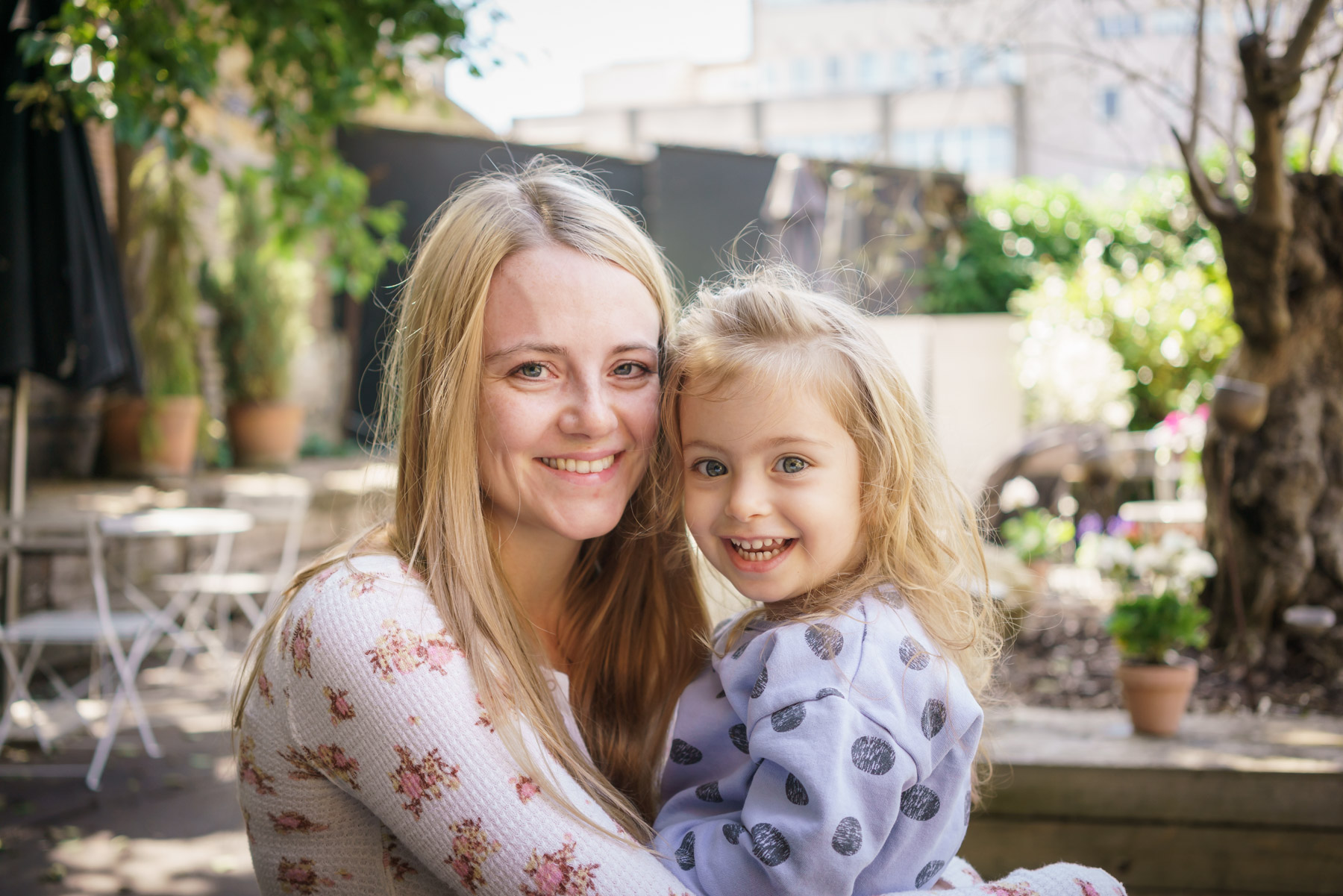
Clive Gilbert is a leading policy expert on assistive technology for disabled people, drawing in part, on his own experiences living with Cerebral Palsy. He tells us his story.
Read more