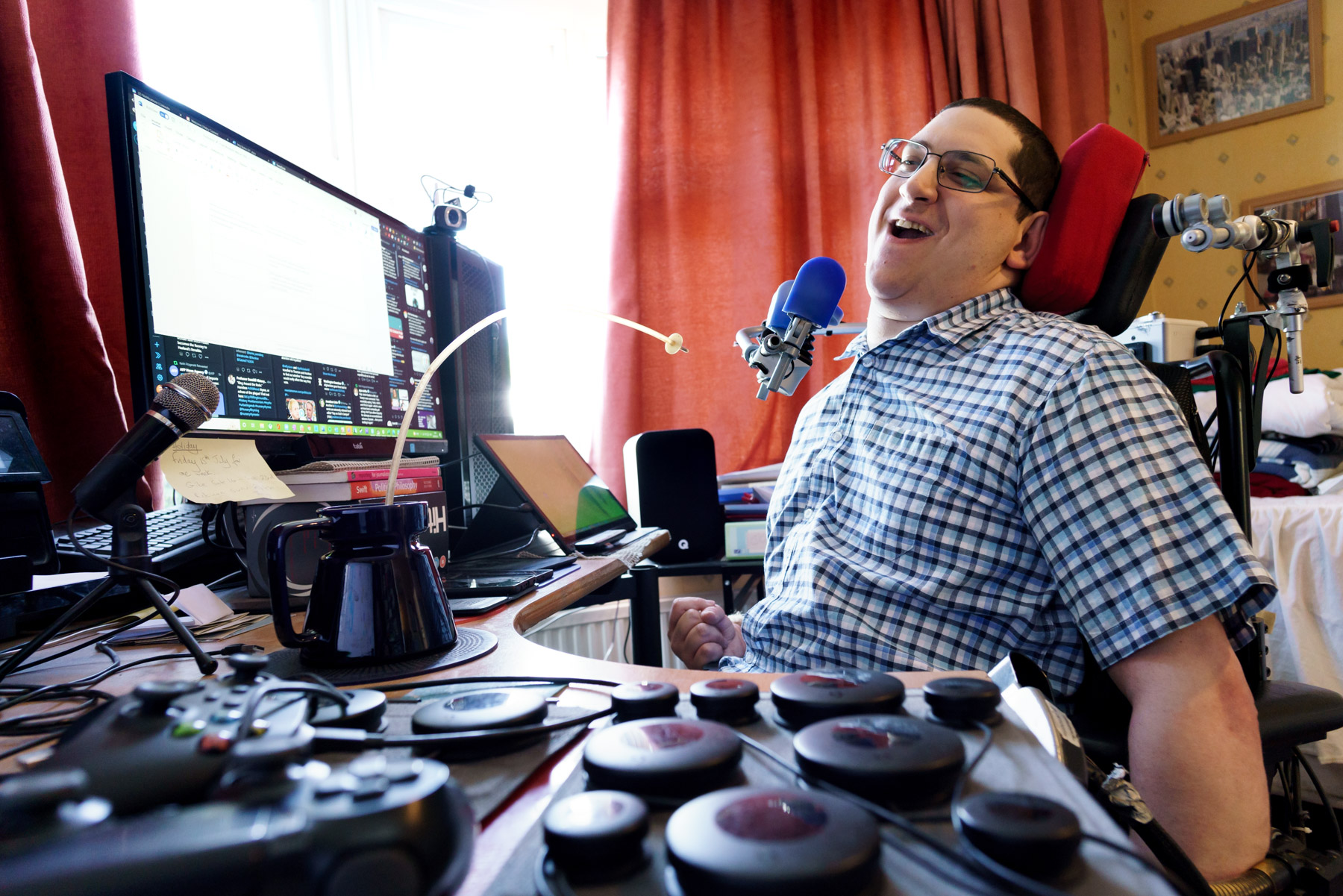
As people with Cerebral Palsy age, they experience health conditions and functional changes even though the initial injury to the brain that caused cerebral palsy does not change. These are not inevitable consequences of cerebral palsy and can often be, and should be, treated.
In your assessment consider:
– Conditions that are common in anyone else of that age and gender
– Conditions more likely to occur in people with cerebral palsy
– Health promotion and disease prevention
People with Cerebral Palsy:
- Often experience a decline in their physical function earlier than their peers. This may lead to reduced ability to engage in social, educational and employment activities.
- Often experience falls and are at high risk of fractures
- Often experience fatigue and muscle weakness, which contributes to a premature decline in physical function.
- Often experience chronic pain.
- May have changes in their seizure types, patterns and medications over time if they have epilepsy as well as cerebral palsy.
- May gain weight, which contributes to the decline in their physical function.
- May lose weight because of difficulties in chewing and swallowing
- Are often taking a range of medications that may impact their physical or cognitive function.
- May experience changes in hearing, speech and communication needs with time and social circumstances.
Adults with cerebral palsy are more likely to have or to develop the following physical health conditions compared to adults without cerebral palsy:
- Epilepsy
- Hypertension
- Ischaemic heart disease
- Stroke
- Heart failure
- Type 2 diabetes mellitus
- Asthma
- Liver disease
- Osteoarthritis
- Osteoporosis
- Chronic kidney disease

Other physical health conditions that may be common among adults with cerebral palsy are:
- Lower respiratory tract infections
- Dermatological issues including pressure ulcers
- Anaemia
- Constipation
- Continence problems
- Dental and oral health concerns
Adults with Cerebral Palsy are more likely to have or to develop the following mental health conditions compared to adults without cerebral palsy:
- Anxiety
- Bipolar disorder
- Depression
- Psychotic disorders
- Schizophrenia
The GP’s role
The GP’s role in supporting adults with cerebral palsy includes:
- Offering regular review of function and health status
- Managing general and acute health problems
- Ensuring access to disease prevention and health promotion
- Encouraging participation in regular aerobic and muscle strengthening physical activity
- Ensuring access to medical specialists, allied health professionals and community and disability professionals
- Discussing concerns with and potential changes in their need for assistive technology
- Identifying and addressing mental health problems alongside physical health problems
- Being mindful of diagnostic overshadowing
During a regular review, you should consider screening to monitor changes over time. Based on the elevated risk for certain conditions among adults with cerebral palsy, screening may include:
- Full lipid profile, HbA1c, 24 hour ambulatory blood pressure monitoring if office readings are elevated, resting ECG and waist-to-hip ratio. Waist-to-hip ratio is a better indicator of cardiovascular disease risk in adults with cerebral palsy than body mass index. Body mass index may be underestimated in people with cerebral palsy because they tend to have reduced muscle mass.
- Renal and liver profile
- Bone mineral density.
- Mental health disorders such as depression and anxiety.
- Presence, severity and location of pain.
- Cervical and/or lumbar stenosis.
Referrals
Examples of referrals that adults with cerebral palsy may require are to:
- A multidisciplinary team experienced in the management of neurological impairments if:
- Their ability to carry out their usual activities deteriorates or
- A neurosurgical or orthopaedic procedure is being considered that may affect their ability to carry out their usual daily activities.
- Speech and language therapy services:
- to assess their need for intervention if they have communication difficulties.
- if they have recurrent chest infections and dysphagia is suspected
- Specialist services if they have persistent or multiple signs and symptoms of respiratory impairment or risk factors for respiratory impairment
- A relevant clinical specialist such as a dietician or speech and language therapist if they have difficulties with eating or malnutrition
- Occupational therapy to assess their functional needs, such as needs relating to posture, seating and upper limb function, and provide individualised support
- A professional with expertise in independent living such as an occupational therapist to give information and advice (e.g., adaptations to their home, statutory welfare benefits)
- A professional with expertise in vocational skills such as an occupational therapist to give information and advice (e.g., occupational health assessment, vocational rehabilitation)
- Services providing information, assessment and provision of electronic assistive technology
- Services with experience and expertise in neurological impairments that can provide support with physical activity and tasks of daily living such as physiotherapy, occupational therapy, orthotic and functional electronic stimulation services, rehabilitation engineering services, wheelchair services
- Physiotherapy to assess and monitor function and provide advice on participating in physical activity and mobility aids
- A musculoskeletal specialist or orthopaedic surgeon with experiencing and expertise in managing musculoskeletal problems in adults with cerebral palsy if adults have problems participating in physical activities because of pain or joint problems that do not response to other treatments
- A tone or spasticity management service
- A specialist orthopaedic or musculoskeletal service if a bone or joint disorder is suspected and causing or affecting posture or function. These may include osteoarthritis, cervical spondylosis, subluxation of the hips, wrists or shoulders, biomechanical knee problems, abnormalities of the foot structure.
Reassessment by the multidisciplinary team may be needed by adults with cerebral palsy at different points in their lives to ensure that their changing needs are met (for example, pregnancy and parenting, decreased mobility due to hip arthritis, and loss of care and support from a parent).
Resources
NICE guidelines. Cerebral palsy in adults (NG119). Published 15 January 2019. Available at: https://www.nice.org.uk/guidance/ng119
Annual Self-Check Form
GP leaflet
Interactive Health Summary
Scarlett Murray is a 22 year-old mother of one, and a talented writer who blogs about her experiences of living with Cerebral Palsy. Her form of CP is left-sided hemiphlegia. She tells us her story.
Read more
Clive Gilbert is a leading policy expert on assistive technology for disabled people, drawing in part, on his own experiences living with Cerebral Palsy. He tells us his story.
Read more